
[WEEKEND] You'll Never Guess This UK Power Tools's Secrets
The Ultimate Guide to UK Power Tools: Navigating Voltage, Brands, and Regulations
Whether one is an experienced contractor managing a large-scale building site or a weekend DIY enthusiast dealing with home restorations, having the ideal devices is essential. The landscape of UK power tools is diverse, formed by distinct electrical requirements, security guidelines, and a robust market featuring a few of the world's most relied on brand names.
Comprehending how to navigate this market ensures that tasks are finished effectively, safely, and within spending plan. This comprehensive guide explores everything one requires to learn about Power Tool Supplies tools in the United Kingdom, from voltage requirements to top-tier brands and necessary security protocols.
1. Understanding UK Electrical Standards and Voltage
Before acquiring or running power tools in the UK, it is vital to comprehend the electrical infrastructure. Unlike parts of Europe or North America, the UK operates on a 230V standard supply voltage (traditionally described as 240V) at 50Hz, making use of the Type G three-pin plug.
However, safety regulations on professional building sites require rigorous adherence to lower voltage requirements to prevent fatal electrocution.
Voltage Categories in the UK Market
- 110V Site Safe Tools (Yellow Plugs): Mandatory on expert UK building and construction websites. These require a site transformer to step down the mains 230V supply to 110V. If a cable television is severed, the lower voltage considerably lowers the threat of severe injury.
- 230V Domestic Tools (Standard Plugs): Used for home DIY and workshop environments where tools plug straight into basic wall sockets.
- Cordless (Battery-Powered): Ranging from 12V to 54V (FlexVolt), cordless innovation has largely bridged the space between petrol/corded power and portability.
| Voltage Type | Main Use Case | Safety Requirements | Portability |
|---|---|---|---|
| 110V (Yellow) | Professional Construction Sites | Requires 110V Step-Down Transformer | Moderate (heavy cables/transformers) |
| 230V (Standard) | Home DIY, Garages, Workshops | RCD (Residual Current Device) suggested | Moderate (connected to wall outlets) |
| Cordless (Li-ion) | All-round (Trades & & DIY) | Battery security, appropriate storage | Very High |
2. Corded vs. Cordless: Which is Right for You?
The dispute in between corded and cordless Power Tools For Sale tools has progressed significantly over the last decade. Thanks to improvements in Lithium-ion (Li-ion) battery technology, cordless tools now match-- and often go beyond-- the efficiency of their corded predecessors.
Corded Power Tools
- Pros: Unlimited runtime, usually cheaper upfront cost, light-weight (no heavy battery connected), and constant Power Tool Suppliers UK delivery.
- Cons: Tethered to a power source, extension leads can be a trip risk, and limited movement on site.
Cordless Power Tools
- Pros: Ultimate portability, more secure workplace (no routing cords), rapid battery charging, and cross-compatibility within a brand's battery platform.
- Cons: Higher initial financial investment, batteries degrade in time, and durable jobs can drain pipes charges rapidly.
3. Top Power Tool Brands Available in the UK
The UK market is flooded with contending manufacturers, but a couple of market giants consistently dominate due to their dependability, innovation, and comprehensive service networks.
- Makita: Renowned for having one of the biggest interchangeable battery platforms (the 18V LXT system), Makita tools are a staple for UK carpenters and builders.
- DeWalt: Easily recognizable by its iconic yellow and black livery, DeWalt uses durable toughness designed to stand up to severe website conditions. Their 18V XR and 54V FlexVolt varieties are extremely popular.
- Milwaukee: Favored greatly by plumbing professionals, electrical experts, and mechanical trades, Milwaukee's M12 and M18 fuel varieties are commemorated for high torque and clever electronic devices.
- Bosch: Split into green (DIY) and blue (Professional) ranges, Bosch provides German engineering precision, especially known for rotary hammers and determining devices.
- Hikoki (formerly Hitachi): Known for pioneering high-performance brushless motors and pneumatic nailers.
4. Essential Power Tools Every UK Workshop Needs
Building a toolkit from scratch can be frustrating. To assist prioritize purchases, the following list outlines the core power tools advised for basic woodworking, upkeep, and building jobs.
- Combi Drill: The workhorse of any package, capable of screwdriving, standard drilling, and hammer action for masonry.
- Mitre Saw: Essential for making accurate crosscuts and mitres in timber, skirting boards, and architraves.
- Jigsaw: Perfect for making curved cuts, detailed shapes, and internal cut-outs in wood, plastic, or metal.
- Random Orbit Sander: Ensures a smooth, swirl-free surface on wood surfaces before painting or varnishing.
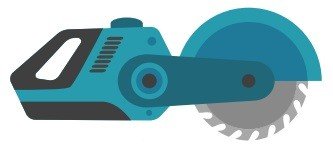
- Angle Grinder: A flexible cutting and grinding tool utilized for metalwork, paving pieces, and masonry.
5. UK Health, Safety, and Regulations
Working with power tools brings fundamental threats. In the UK, companies and individuals need to adhere to specific health and wellness legislation implemented by the Health and Safety Executive (HSE).
Secret Safety Guidelines
- PUWER 1998: The Provision and Use of Work Equipment Regulations need that all devices provided for usage at work appropriates, safe, and kept in a safe condition.
- PPE (Personal Protective Equipment): Always use suitable gear, consisting of safety glasses (EN 166 standard), ear protectors, and dust masks (FFP2 or FFP3 ratings when cutting MDF, brick, or concrete).
- PAT Testing: Portable Appliance Testing is frequently needed in commercial UK environments to ensure electrical appliances stay safe for constant use.
- Vibration White Finger (HAVS): Employers need to monitor tool use times for high-vibration tools (like breakers and SDS drills) to avoid Hand-Arm Vibration Syndrome.
Frequently Asked Questions (FAQ)
Can I use a 230V power tool on a UK building and construction website?
Generally, no. A lot of expert UK construction websites impose rigorous safety guidelines needing all portable electric tools to be 110V (powered by means of a yellow website transformer) or cordless battery-powered to lessen the threat of serious electrical shocks.
Are battery platforms interchangeable in between various brand names?
No. Batteries from brand names like DeWalt, Makita, and Milwaukee are exclusive. Nevertheless, various third-party adaptors exist on the market, though utilizing them might void your tool's warranty and can posture security dangers. It is Best Prices On Power Tools to adhere to one community as soon as you buy a battery platform.
What does "Brushless" indicate, and is it worth the additional cost?
A brushless motor uses electronic controllers to change the electrical present, removing the carbon brushes discovered in older motors. Brushless tools run cooler, last longer, offer more power, and squeeze considerably more runtime out of every battery charge. They are well worth the financial investment for routine users.
Do I need PAT screening for my DIY tools in your home?
No. PAT (Portable Appliance Testing) is a legal requirement for workplaces, landlords, and commercial environments under UK health and wellness law. For home DIY usage, regular visual checks of plugs, cable televisions, and tool bodies suffice.
Navigating the world of UK power tools requires an understanding of regional electrical standards, safety policies, and the specific demands of your projects. By picking reliable brands, selecting the appropriate voltage or battery platform, and prioritizing health and security, you can construct a trusted toolkit that will serve you efficiently for years to come. Whether circuitry a house, developing bespoke furnishings, or simply hanging a rack, purchasing quality power tools is always money and time well spent.
0 Comments
No comments yet.
